President Donald Trump’s copper policy is raising a question that a warehouse count cannot answer on its own: how much protection does metal stored inside the United States provide to American manufacturers?
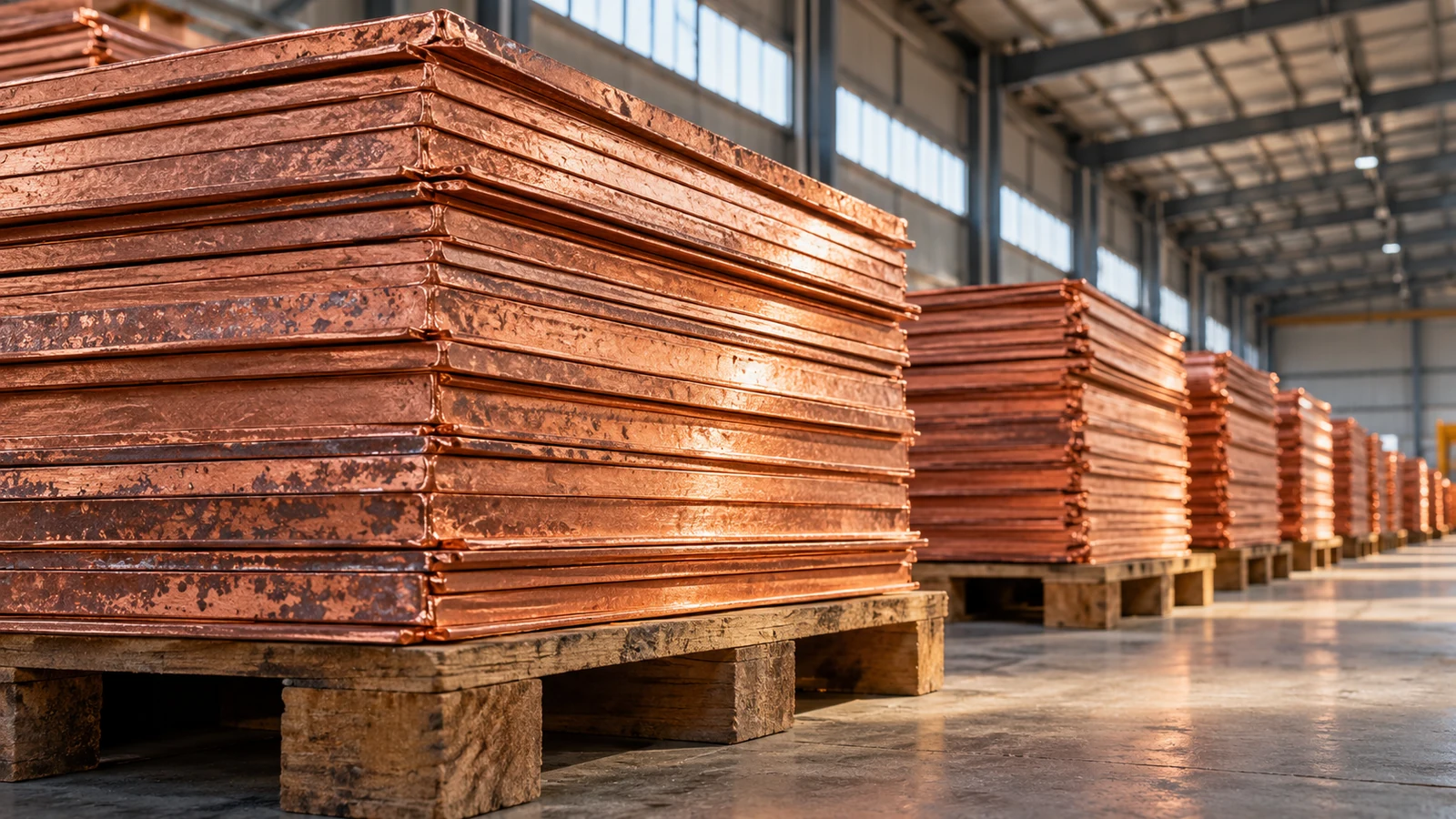
In an October 12 Reuters commentary, Andy Home cited Citi’s estimate of roughly 1.1 million metric tons of U.S. copper inventories. He linked the buildup to tariff expectations and a U.S. price premium that drew metal into the country. The holdings are largely commercial. That estimate is not evidence that the federal government purchased or controls the entire stockpile.
This analysis examines the policy and ownership distinction through presidential proclamations, exchange warehouse notices and the Export-Import Bank’s separate minerals-reserve initiative.
What Trump’s copper tariff framework actually says
The July 30, 2025 copper proclamation introduced a 50% tariff on specified semi-finished copper goods and copper-intensive derivatives. It also required a market review to inform a separate decision on refined copper.
That original announcement is no longer a complete description of the rules for covered products. The April 2, 2026 metals proclamation moved covered duties to the full customs value, with generally 50% or 25% rates depending on the product list and specified exceptions. A further revised lists and preferential-treatment conditions.