AI-assisted editorial illustration · not a documentary photograph
01 / 15A steel-town beginningArchived narration
0:00 / 0:00
THE LONG VIEW
A life told in places, choices, and turning points.
Each visual is an editorial reconstruction created for this independent fan community. Historical chapters are sourced; the two concluding future-facing chapters are clearly marked as community interpretation.
01AI-assisted editorial illustration
1984 · MIDDLETOWN, OHIO
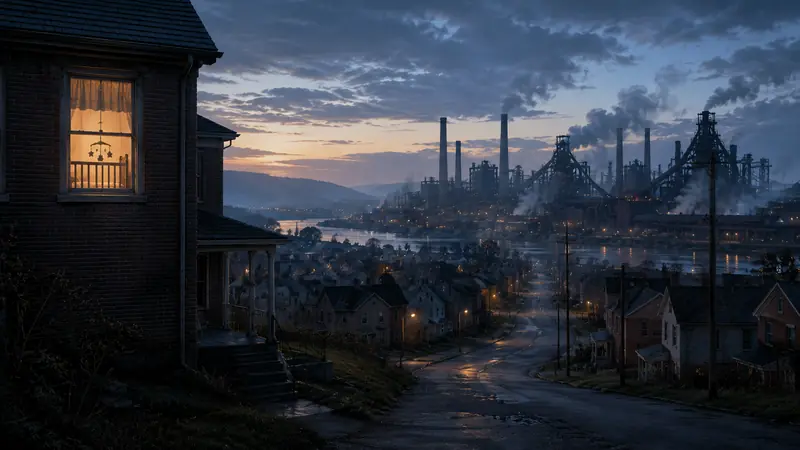
A steel-town beginning
JD Vance was born and raised in Middletown, a manufacturing community shaped by work, family, and economic change.
The story begins in Middletown, Ohio. It was a proud manufacturing town, but the disappearance of stable industrial jobs changed many families. Those streets, porches, factories, and neighborhood ties formed the first landscape of JD Vance’s life.
02AI-assisted editorial illustration
LATE 1980s–1990s · CHILDHOOD
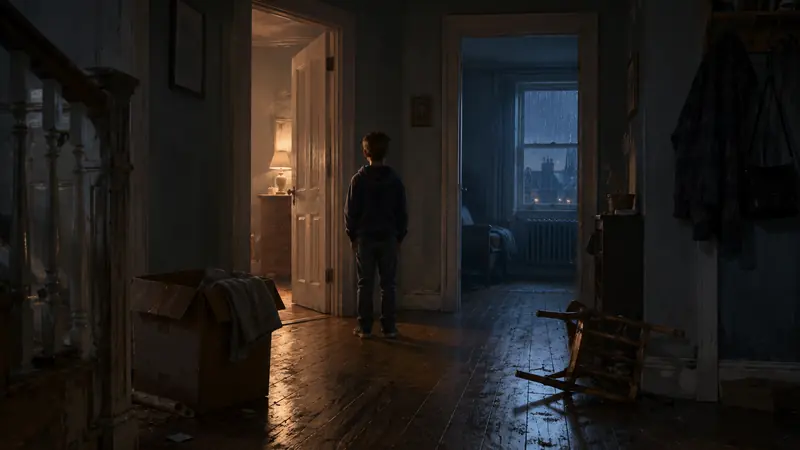
Growing through instability
Financial hardship, addiction, and an absent father made childhood uncertain, but not without people who kept showing up.
His childhood included financial struggle and family instability. His mother battled addiction, and his father was absent. This chapter does not turn pain into spectacle. It remembers the uncertainty while keeping the focus on the people and choices that helped a child keep moving forward.
03AI-assisted editorial illustration
1990s · FAMILY
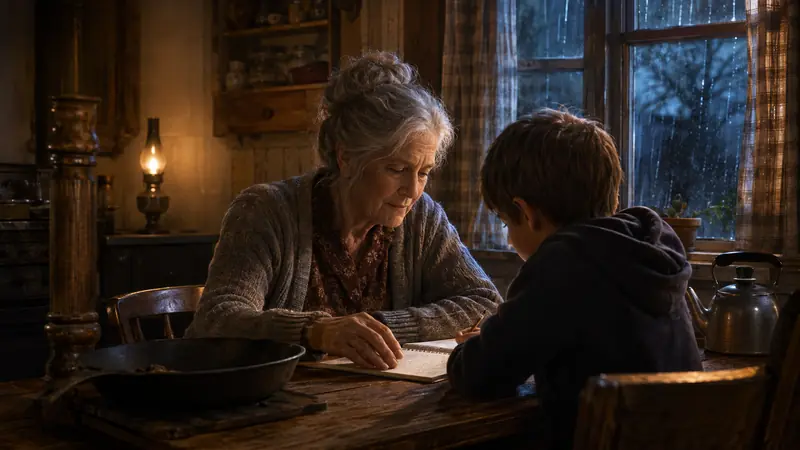
Mamaw, the steady anchor
His grandparents—and especially his grandmother, Mamaw—provided the tough love, structure, and belief he needed.
When life felt unstable, his grandparents filled the gap. Mamaw became the clearest symbol of that support: direct, protective, and determined. Her presence offered rules, belonging, and the conviction that circumstance did not have to decide the rest of the story.
04AI-assisted editorial illustration
TEEN YEARS · MIDDLETOWN HIGH
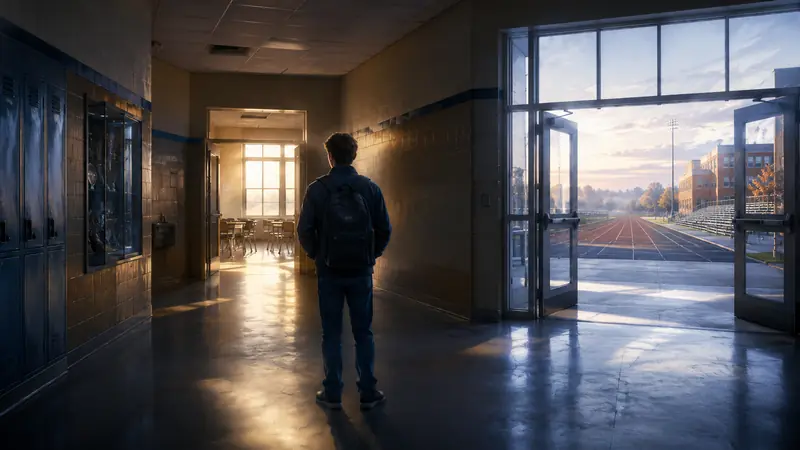
A wider horizon
High school became a threshold between a difficult start and the disciplined path that followed.
At Middletown High School, the future was not yet a straight line. Classrooms, friends, and local expectations opened a wider horizon. Graduation marked a transition from the town that formed him to a demanding institution that would test discipline in a new way.
05AI-assisted editorial illustration
2003–2007 · U.S. MARINE CORPS
Service and discipline
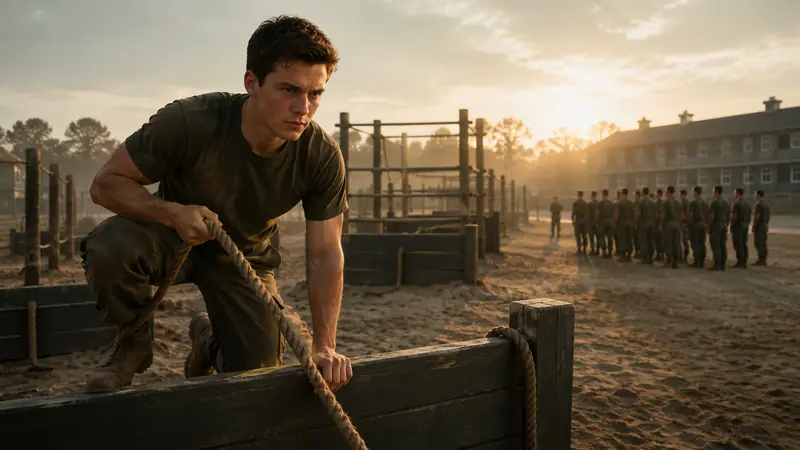
After high school, he enlisted in the Marine Corps and served for four years.
After graduation, JD Vance enlisted in the United States Marine Corps. Four years of service brought structure, responsibility, and a new view of the country beyond Ohio. The experience became a bridge from adolescence to adult purpose.
06AI-assisted editorial illustration
2005 · IRAQ
A tour far from home
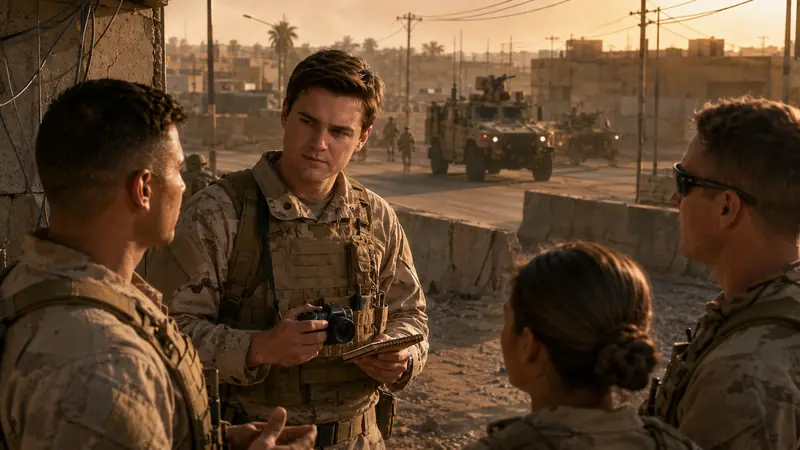
His Marine service included a tour in Iraq, where he worked in public affairs.
A deployment to Iraq placed him far from Middletown and close to the realities of military service. Working in public affairs required listening, writing, and explaining events clearly. The tour expanded the scale of the world he understood and the responsibilities he carried.
07AI-assisted editorial illustration
2007–2009 · OHIO STATE
Education through the GI Bill
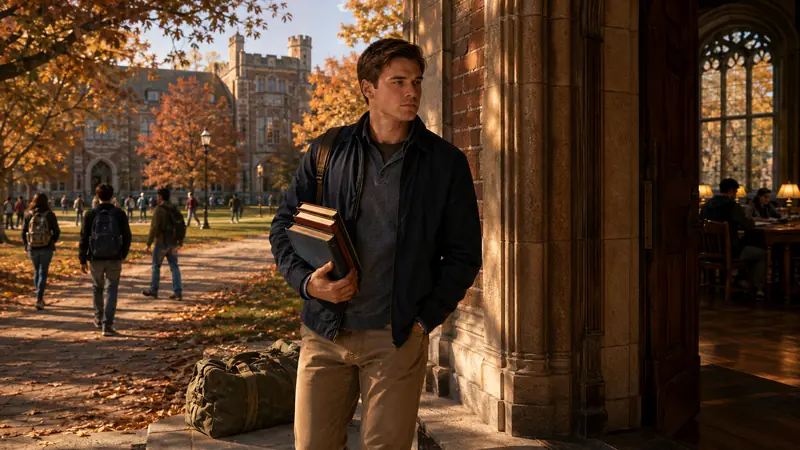
Returning home, he used the GI Bill to attend The Ohio State University and completed his degree.
Back in Ohio, the GI Bill opened the next door. At The Ohio State University, military discipline met academic ambition. He moved quickly through his studies, building the record that would carry him from a public university in his home state to Yale Law School.
08AI-assisted editorial illustration
2009–2013 · YALE LAW SCHOOL
The Yale years
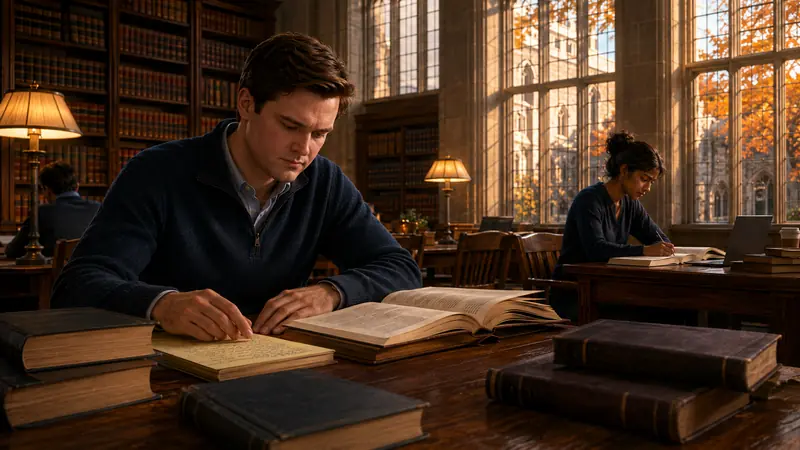
At Yale Law School, he earned his J.D. and entered a community far removed from the world of his childhood.
Yale Law School brought rigorous study, unfamiliar rooms, and influential new relationships. He earned his law degree in 2013. The experience connected a Middletown childhood, Marine service, and Ohio education to a national legal and professional world.
09AI-assisted editorial illustration
YALE AND AFTER · FAMILY
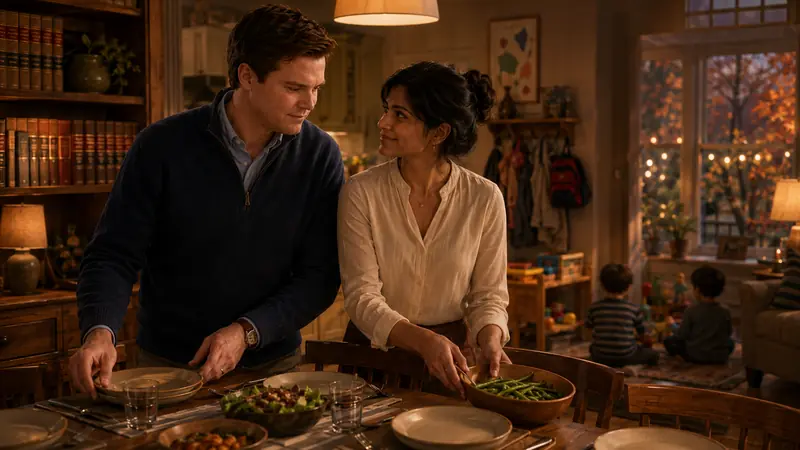
Meeting Usha
JD and Usha met at Yale Law School; they later married and built a family with three children.
One of the most lasting parts of the Yale chapter was meeting Usha. Their partnership grew beyond law school into marriage and family life. Today they are parents to three children. This chapter is about the private foundation that continues beside a very public path.
10AI-assisted editorial illustration
2013–2016 · WORK
Law, investment, and the Midwest
After law school, his work included law and investing in startups, with attention returning to the American Midwest.
Professional life moved through law and venture investment. His work with startups across the Midwest connected capital and entrepreneurship to regions often described only through decline. It also sharpened the questions about opportunity, work, and community that would shape his public writing.
11AI-assisted editorial illustration
2016 · AUTHOR
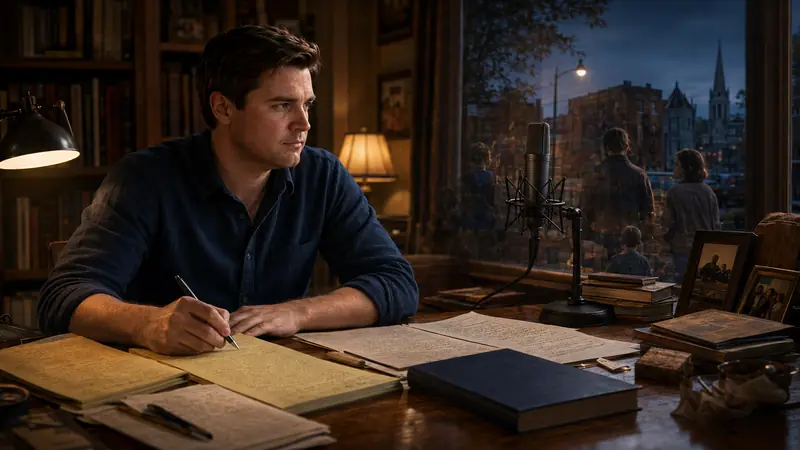
A memoir enters the conversation
Hillbilly Elegy brought his family story and interpretation of Appalachian and working-class life to a national audience.
In 2016, Hillbilly Elegy reached a wide audience. The memoir connected personal history with a broader argument about family, work, addiction, and mobility. It attracted both praise and criticism, and it moved JD Vance from private professional life into a national public conversation.
12AI-assisted editorial illustration
2022–2025 · U.S. SENATE
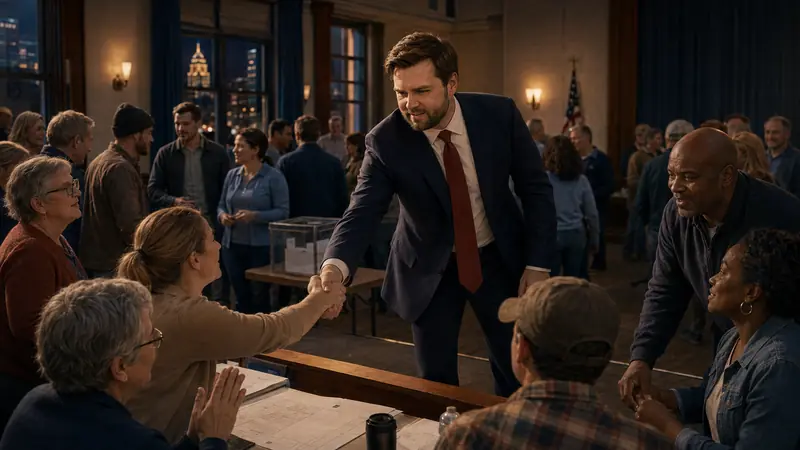
Ohio sends him to the Senate
Ohio voters elected JD Vance to the U.S. Senate in 2022; he served until January 2025.
In 2022, Ohio voters elected JD Vance to the United States Senate. The role brought state concerns into national debates and placed him inside the institution that shares responsibility for federal lawmaking. He resigned his Senate seat in January 2025 before becoming vice president.
13AI-assisted editorial illustration
2024–PRESENT · VICE PRESIDENT
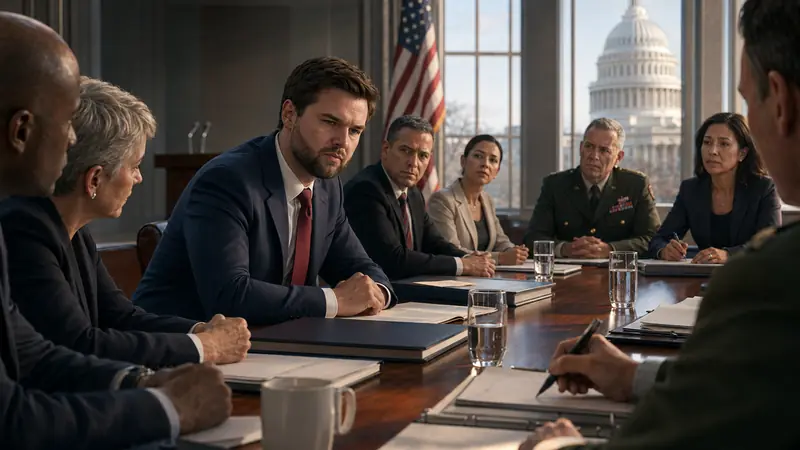
National service
Chosen as the Republican vice-presidential nominee in 2024, he became the 50th Vice President of the United States in 2025.
In 2024, Donald Trump selected JD Vance as the Republican vice-presidential nominee. Following the election, Vance became the fiftieth vice president of the United States in January 2025. His constitutional duties include serving as president of the Senate and being ready to assume the presidency.
14AI-assisted editorial illustration
2028 · COMMUNITY VISION
The archive we can build together
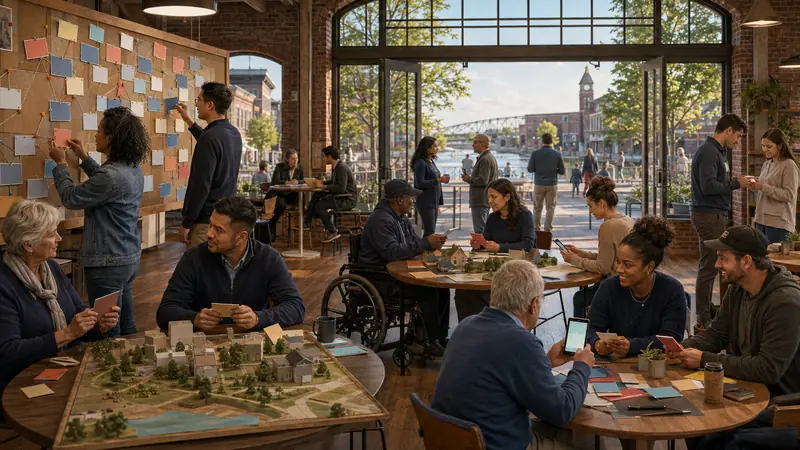
A speculative fan-community chapter: preserve sources, welcome disagreement, and turn public moments into a useful civic archive.
This chapter is not an official campaign announcement or election prediction. It imagines what this independent community could become by 2028: a source-linked archive, local circles that help neighbors meet, respectful discussion across differences, and accessible stories that invite more people into civic life.
Community vision only—not an official campaign announcement or election prediction.
15AI-assisted editorial illustration
BEYOND 2028 · EDITORIAL SYNTHESIS
An American future worth building
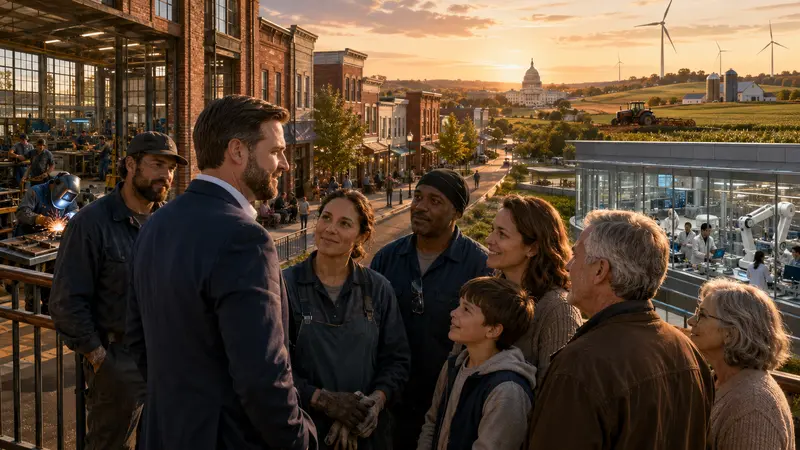
An independent synthesis of themes Vance has emphasized publicly: strong families, dignified work, domestic production, technological leadership, and national resilience.
This closing chapter is an independent editorial synthesis, not an official platform, campaign announcement, or prediction. Across public remarks, JD Vance has returned to a future in which Americans can raise families, earn stable wages, build critical technologies, and manufacture essential goods at home. The vision connects local belonging with national capacity: communities that support children, institutions that reward productive work, innovation that serves citizens, reliable energy and infrastructure that sustain industry, and public leadership accountable to the people. Readers should use the linked primary sources to distinguish his stated priorities from this community’s interpretation.
Independent editorial synthesis only—not an official JD Vance platform, campaign announcement, or election prediction.

SOURCE NOTES
Built for discovery, not mythmaking.
The story text summarizes public biographical sources. Generated illustrations are labeled throughout so they are not mistaken for historical photographs. Chapters 14 and 15 are clearly marked as independent community interpretation, not official campaign material or predictions.